
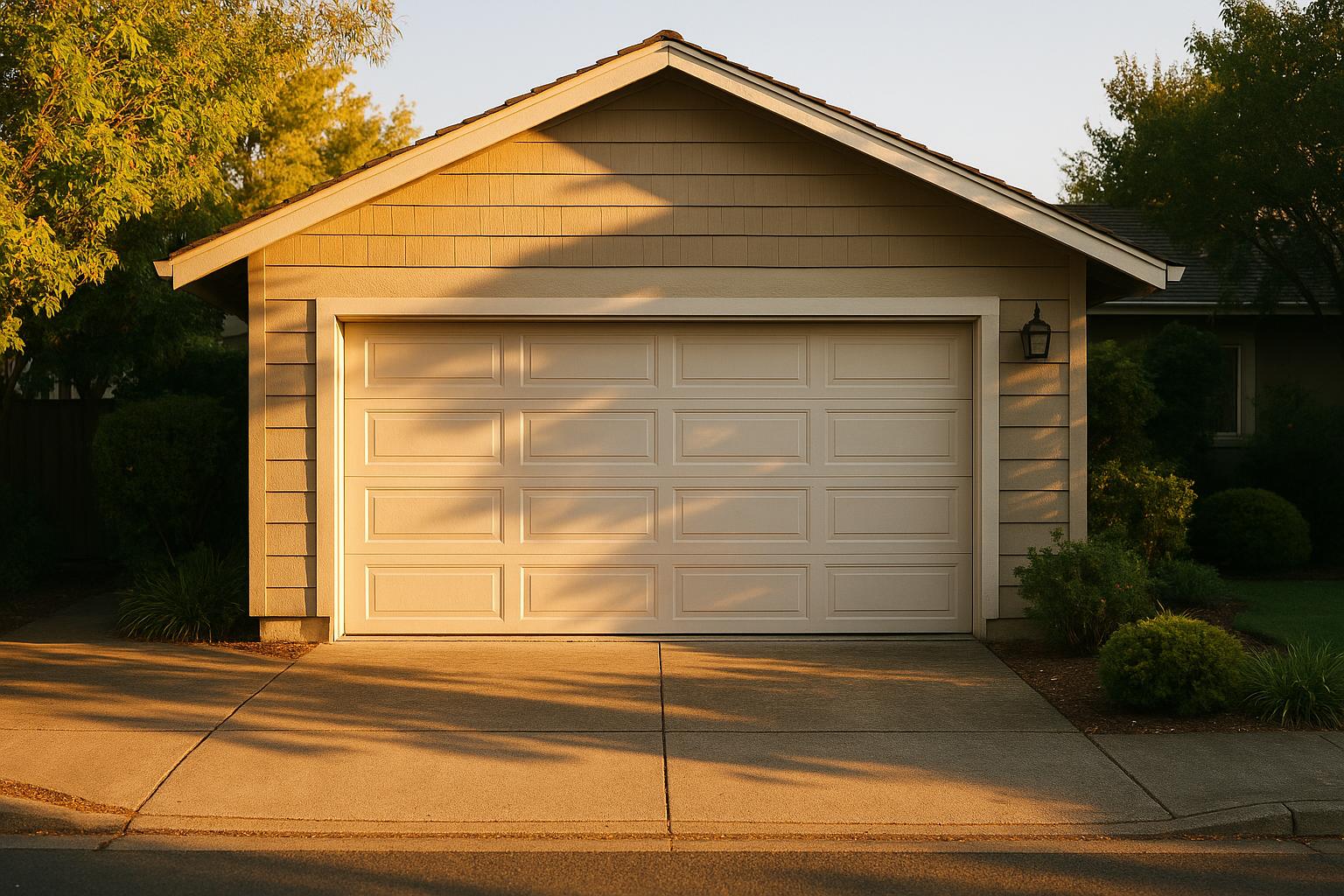
You're Running Late and Your Garage Door Won't Budge
It's a scenario that plays out in driveways across Los Gatos more often than you'd think. You press the button on your garage door remote, hear a click or a hum — or maybe nothing at all — and the door stays firmly shut. You're already running behind, the coffee hasn't kicked in yet, and now you're stuck.
Before you panic or start yanking on the door, take a breath. A garage door that won't open usually has a logical explanation, and in many cases, you can identify the issue quickly. Here's a practical guide to figuring out what's going on and deciding whether it's a quick fix or a call to a professional.
Check the Obvious Things First
It sounds simple, but the most common reasons a garage door won't open are often the easiest to overlook.
- Dead remote batteries: If your wall-mounted button works but your remote doesn't, swap in fresh batteries. This is the number one cause of morning garage door frustration, and it takes about 30 seconds to fix.
- The door is locked: Many garage doors have a manual lock — a slide bolt or a lock bar that engages when you twist a handle on the inside. If someone accidentally locked it, the opener will strain against the lock and fail to move the door.
- The opener is unplugged: Check that the garage door opener unit is plugged into the ceiling outlet. Vibration, a tripped circuit, or even a curious kid can disconnect the power.
- The disconnect switch is engaged: Garage door openers have an emergency release cord — usually a red handle hanging from the rail. If this has been pulled, the door is disconnected from the opener and will need to be reconnected before the motor can drive it.
Cold Weather and Morning Moisture
Los Gatos enjoys mild weather for most of the year, but mornings in the fall and winter — especially for homes nestled closer to the Santa Cruz Mountains in areas like Scotts Valley or Boulder Creek — can bring cold, damp conditions that affect your garage door.
When temperatures drop overnight, several things can happen:
- Lubricant thickens: The grease on your springs, rollers, and hinges can stiffen in cold weather, making the door harder for the opener to move. This is especially common with older lubricants that haven't been refreshed in a while.
- Metal contracts: Steel tracks and hardware contract slightly in the cold, which can increase friction and make the door feel sluggish or stuck.
- Weatherstripping sticks: The rubber seal along the bottom of your garage door can freeze or bond to the concrete floor when moisture and cold combine overnight. Gently breaking the seal — never forcing it — usually frees the door.
If cold mornings are a recurring problem, seasonal maintenance can make a big difference. A fresh application of silicone-based lubricant on all moving parts before winter arrives keeps everything operating smoothly.
Sensor Issues That Block the Door
Modern garage doors are equipped with photoelectric safety sensors — small units mounted near the floor on either side of the door opening. These sensors are designed to prevent the door from closing on a person, pet, or object. But they can also prevent the door from operating correctly if something is off.
- Misaligned sensors: If one sensor gets bumped — by a bicycle, a trash can, or even a broom — the safety system may prevent the door from moving. Check that both sensor lights are lit and steady. A blinking light usually means misalignment.
- Dirty lenses: Dust, cobwebs, and morning dew can block the sensor beam. Wipe both lenses with a clean cloth and try again.
- Sun glare: In some Los Gatos homes, the angle of the morning sun can shine directly into a sensor and interfere with the beam. A small cardboard shade or sensor hood can solve this if it's a regular issue.
When the Problem Is More Serious
If you've checked the basics and the door still won't open, the issue may be mechanical or electrical — and that's when it's time to call in help rather than risk making things worse.
Broken Springs
Garage door springs bear the full weight of the door. If a spring has broken — you might have heard a loud bang from the garage the night before — the opener simply cannot lift the door on its own. Do not attempt to open a garage door with a broken spring manually. The door can weigh 150 to 300 pounds or more, and handling it without proper spring tension is dangerous.
Stripped Gears in the Opener
If you hear the motor running but the door doesn't move, the drive gears inside the opener may be stripped. This is common in older units that have been working hard for years. The motor spins, but the force isn't transferring to the drive mechanism. This requires professional repair or opener replacement.
Snapped Cables
Lift cables run along the sides of the door and work in tandem with the springs to raise and lower it safely. A snapped cable can cause the door to hang unevenly or refuse to move at all. Like spring issues, cable repair should always be handled by a trained technician.
Circuit Board Failure
The logic board inside your garage door opener controls everything — from remote signals to safety sensor communication. Power surges, age, and moisture can all cause board failure. If the opener shows no lights, doesn't respond to any input, or behaves erratically, the circuit board may need replacement.
How to Get Out of Your Garage in the Meantime
If your garage door won't open and you need to leave, you can use the emergency release cord to disconnect the door from the opener and lift it manually — but only if the springs are intact. If you suspect a broken spring, do not try to lift the door yourself. Call for help or find another way out.
To use the emergency release:
- Pull the red emergency release handle down and toward the opener.
- Lift the door manually from the bottom. It should move freely if the springs are working.
- Once you're out, pull the door back down and secure it if possible — an unlocked, disconnected garage door is a security risk.
Preventing Morning Surprises
The best way to avoid getting stuck in your garage on a busy morning is regular maintenance. An annual tune-up — including lubrication, hardware tightening, sensor alignment, spring inspection, and opener testing — catches small problems before they leave you stranded.
At Los Gatos Garage Door Co, we see these calls regularly from homeowners in Los Gatos, Saratoga, Campbell, and Monte Sereno who didn't realize anything was wrong until the door stopped working at the worst possible moment. A little preventive care goes a long way toward keeping your mornings stress-free.
If your garage door isn't cooperating and you can't figure out why, give us a call. We offer prompt service — including emergency repairs — so you're never stuck for long.